Shanghai International Circuit: The Geometry Behind the Chinese Grand Prix


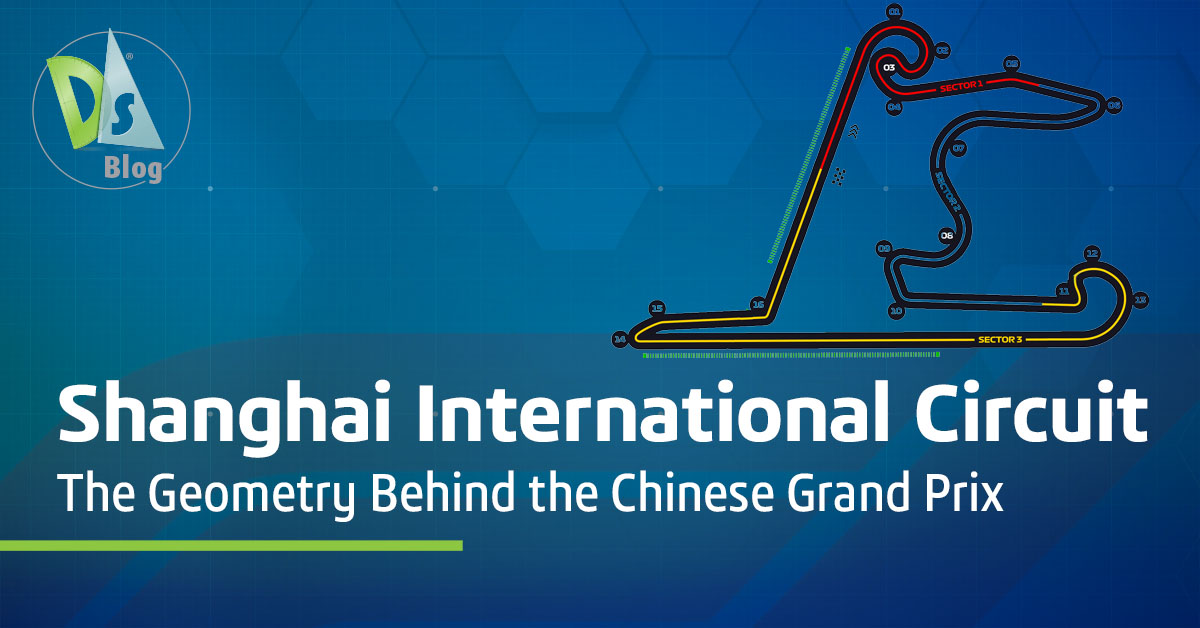
The Formula 1 season heads to China this weekend, with teams arriving at the Shanghai International Circuit. The Shanghai International Circuit stretches approximately 5.451 km (3.4 miles) and features a combination of long, high-speed sections and technically demanding turns. One of the most unique features appears immediately at the start of the lap. Turns 1 and 2 form a tightening spiral corner that gradually decreases in radius as drivers navigate through it.
This simple geometric transition creates a major overtaking zone. The tightening radius is one way the Shanghai circuit manages speed. The layout alternates between long straights and carefully spaced turns.
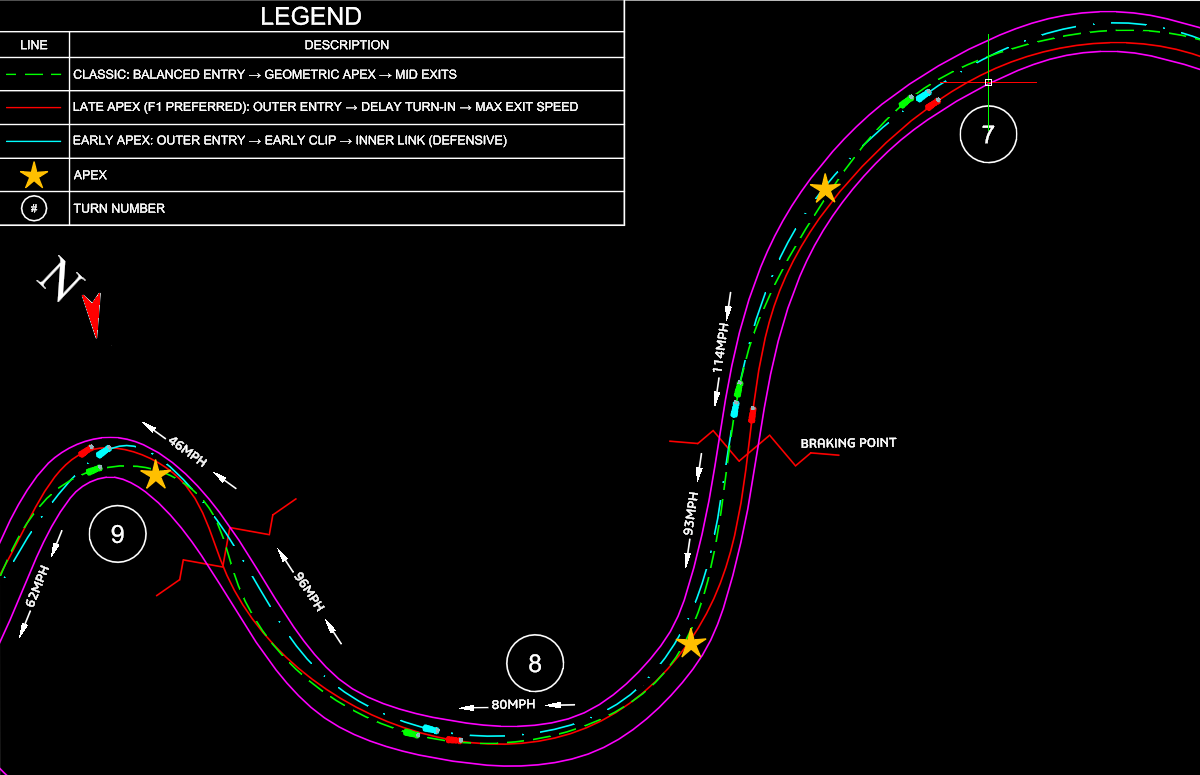
Further into the lap, the circuit transitions into a sequence of flowing corners and high-speed direction changes, particularly through Turns 7 and 8. The individual corners are not extremely tight, but the way they connect determines how much speed a driver can carry through the section. The exit of the first corner shapes the entry to the next, so small positioning mistakes affect the entire section.
A plan view of the track highlights these relationships. Straights appear as long tangents, while corners resolve into arcs with different radii. The way those elements connect determines how speed carries through each section of the circuit.
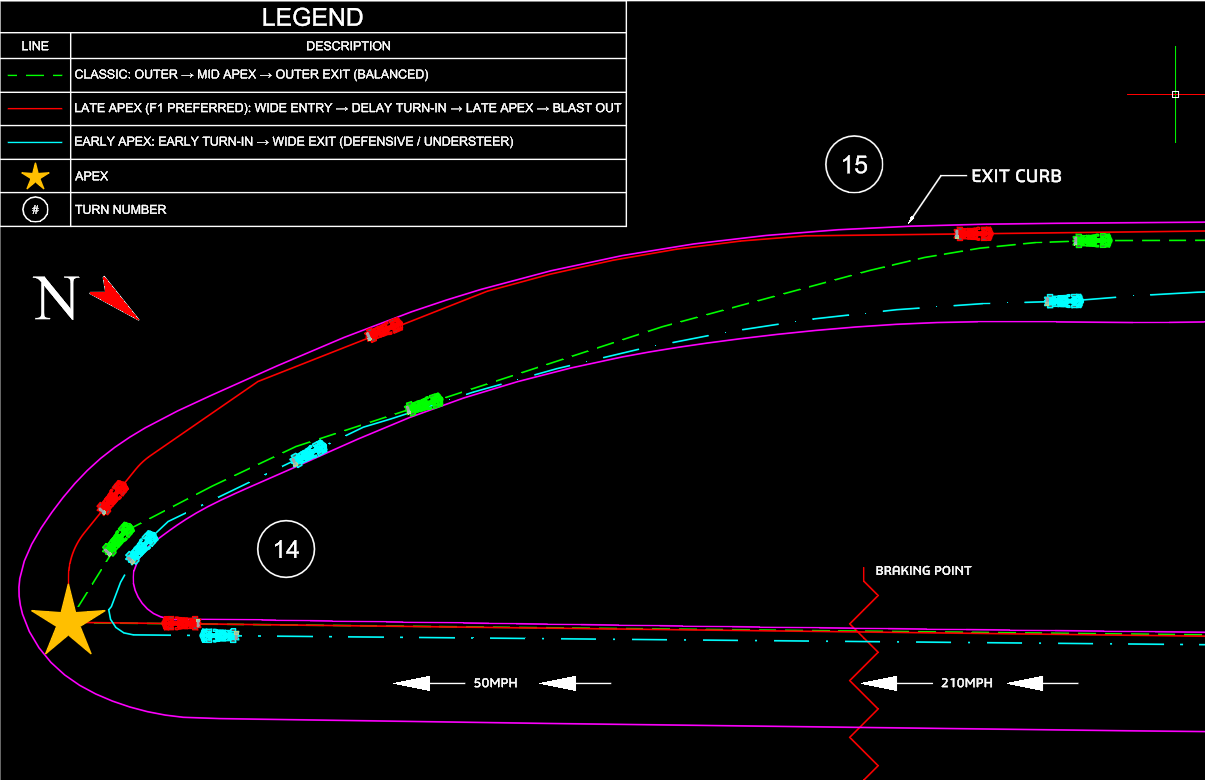
One of the most important design elements of the circuit comes near the end of the lap. Turn 13 opens onto one of the longest straights in Formula 1, allowing cars to reach some of the circuit’s highest speeds. This long straight, combined with a tight braking zone, creates one of the circuit’s primary overtaking opportunities. The earlier a driver can straighten the steering wheel exiting Turn 13, the sooner the car can accelerate down the straight. Small differences in exit speed can carry all the way to the braking zone at Turn 14. In CAD terms, the section resembles a long tangent line terminating in a tight-radius turn, simple geometry that yields a complex racing strategy.
New 2026 Formula 1 Regulations
The 2026 Formula 1 regulations introduce lighter cars, revised aerodynamics, and increased hybrid power deployment. These changes may make the end of the lap even more important. With improved energy management and active aero modes, drivers exiting Turn 13 could gain even greater speed advantages as they head into the Turn 14 braking zone.
Cultural References in the Circuit Design
Designed by leading racetrack and test-facility designers, Tilke Engineers & Architects, the layout of the Shanghai International Circuit reflects elements of Chinese culture. The track outline resembles the Chinese character “上” (shàng), which translates to “above” or “up.”
Architectural references appear throughout the paddock area. The team buildings are arranged like pavilions around a body of water, drawing inspiration from the historic Yuyuan Garden. The arrangement references traditional garden design while supporting modern Formula 1 facilities.
What to Watch on Race Day
At the start of the race, watch how the field compresses through Turns 1 and 2 as the corner tightens.
In the middle sector, notice how drivers position the car through Turns 7 and 8. The exit of the first corner determines the line through the second.
Later in the lap, pay attention to the exit of Turn 13. A small difference in speed there carries down the straight into the braking zone at Turn 14.
Watching these sections during the race shows how the circuit layout influences the race’s development.
Every corner radius, straight, and braking zone on a race circuit begins as geometry. Engineers define those elements using the same geometric principles that CAD professionals apply when creating technical drawings. The same relationships appear in 2D CAD work, from building layouts to infrastructure plans. Both depend on precise geometry to define how a design performs.
Do you need this same level of precision in your drawings? Then, try DraftSight for Free for 30 Days.

Latest posts by DraftSight (see all)
- Shanghai International Circuit: The Geometry Behind the Chinese Grand Prix - March 13, 2026
- Engineering Precision: Melbourne’s Grand Prix Circuit with DraftSight - March 6, 2026
- When DraftSight Needs a Fresh Start: How to Reset to Default Settings - February 4, 2026